

about icon-addNote android4 Answer apple4 icon-appStoreEN icon-appStoreES icon-appStorePT icon-appStoreRU Imported Layers Copy 7 icon-arrow-spined icon-ask icon-attention icon-bubble-blue icon-bubble-red ButtonError ButtonLoader ButtonOk icon-cake icon-camera icon-card-add icon-card-calendar icon-card-remove icon-card-sort chrome-extension-ru chrome-extension-es-mx chrome-extension-pt-br chrome-extension-ru comment comment icon-cop-cut icon-cop-star Cross Dislike icon-editPen icon-entrance icon-errorBig facebook flag flag_vector icon-globe icon-googlePlayEN icon-googlePlayRU icon-greyLoader icon-cake Heart 4EB021E9-B441-4209-A542-9E882D3252DE Created with sketchtool. Info Kebab icon-lamp icon-lampBig icon-learnHat icon-learning-hat Dislike Loup Loup icon-more icon-note icon-notifications icon-pen Pencil icon-play icon-plus-light icon-plus icon-rosie-cut Rune scrollUp Share-icon Shevron-Down Shevron Left Shevron Right sound sound1 sound2 sound3 sound4 sound2 icon-star Swap icon-translate Trash icon-tutor-ellipsis icon-tutor-flip Tutor folder icon icon-tutor-learned icon-twoWayArrow Mezhdunarodny_logotip_VK vk icon-word pen_icon Logo Logo Logo
Ir a la Preguntas y respuestas

jose luis aragonpublicó una nota 9 years ago

nota (es-en)

Origen de la palabra Jitomate o Tomate.

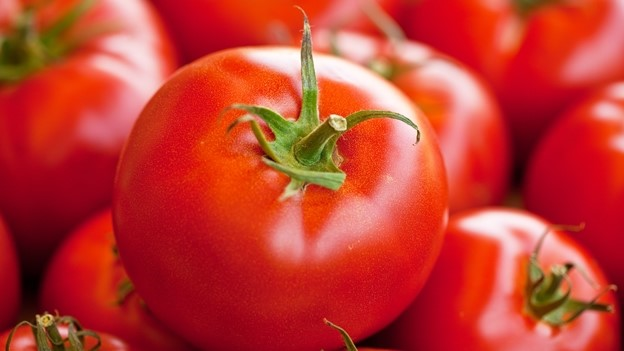
Tomate es una palabra de origen náhuatl: Tomatl que quiere decir agua gorda y por otra parte la palabra jitomate tiene su raíz náhuatl y viene siendo “tomate de ombligo”. En nuestra lengua aborigen xitli es ombligo y tomatl es el tomate propiamente dicho.

En México la apalabra jitomate se utiliza para designar al tomate de color rojo y la palabra tomate se utiliza para designar al tomate de color verde.

El vocablo jitomate se introdujo al castellano en 1532, del nahuatl xitomatl que en el tiempo de los aztecas o mejor dicho, de los antiguos mexicanos, se aplicaba genéricamente a las plantas con frutos globosos o bayas con muchas semillas y pulpa acuosa.

4

Discusión (7)

Hermess Hernandezpublicó un comentario 5 years ago

Hablo el náhuatl. Lo aquí expuesto está a medias correcto, de acuerdo a mi habla náhuatl. En efecto tomatl significa gordo, solo eso. El sufijo atl si es agua pero en este caso no aplica. Por otro lado hombligo en náhuatl es ushi, no xitli aunque los académicos lo traduzcan de esa manera. Por otro lado, rojo se dice chichiltic así que uniendo rojo y gordo, sería chiltomatl
(Rojo gordo)a lo que en español llamamos jitomate


Arturo Riba Ramírezpublicó un comentario 4 years ago

En la zona centro y sur de México el jitomate es el fruto rojo, pero en el norte y otras zonas es llamado tomate. Para el fruto verde se usa el término tomatillo. Depende de la zona geográfica.

johnson williampublicó un comentario 3 years ago

Я очень доволен этим веб-журналом. Полезная тема. Мне очень помогает решить несколько вопросов. Его шансы настолько удивительны, а рабочий стиль настолько быстр. https://geometrydashunblocked.io

owens sheppardpublicó un comentario 3 years ago

In my country tomato is very popular and it faces most of the country dishes. I can even eat them raw. I often play https://basketball-stars.io while eating a small bowl of tomatoes.

Daniel Leopublicó un comentario a year ago

Play Online Picasogames on the most popular website for <a href="https://picasogames.com/">Play free online games</a>! Picasogames works on your mobile, tablet, or computer. No downloads, no login. Play now!

Cramer Assispublicó un comentario 9 months ago

The origin of the word "tomato" is fascinating! Derived from the Nahuatl word tomatl, meaning "fatty water," it reflects the rich cultural history of the Aztecs. In Mexico, the distinction between jitomate (red tomato) and tomate (green tomato) adds another layer of linguistic depth. If you’re curious about more food history or want to explore delicious menu options, check out https://chipotlmenu.com for insights and inspiration

Compartir con tus amigos